
Adult Learning
Indian Head Massage - Worksop Library - Adult Learning
.
Did you know ? We've been bringing you culture, learning and libraries since 2016. Find out more about 10 years of Inspire.

| Date | - |
|---|---|
| Sessions | Wednesdays: 10am - 12pm |
| No. sessions | 3 |
| Venue | Hucknall Library, Hucknall |
| For ages | 19+ |
| Group size | 5 - 15 |
| Cost | FREE - £24 |
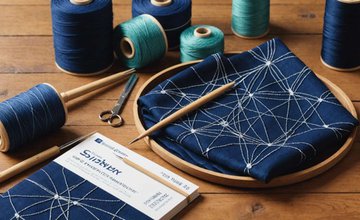
Discover the calming rhythm and timeless beauty of Sashiko, the traditional Japanese art of decorative reinforcement stitching. In this hands-on course, you’ll explore Sashiko’s heritage roots, learn core techniques, and create your own stitched piece to take home.
Perfect for beginners, slow stitch enthusiasts, visible‑mending fans, and anyone who enjoys mindful making.
This Course will focus on wellbeing and how this can support your mental health in the workplace, looking at how creative activities can also lead to creating your own business.
Materials List – Sashiko Embroidery
Essential Tools & Equipment
Sashiko needles (long, sharp, with large eye) – 1–2 per learner
Sashiko thread (20–30m skeins; white or coloured cotton)
Thread snips or small embroidery scissors
Thimble (traditional palm thimble or metal ring thimble)
Fabric marking tools (some will be available to be used in classroom)
Water‑soluble pen
Chalk pencil
Hera marker (optional but ideal for beginners)
Fabric
Indigo or dark cotton (approx. 25–30cm square per learner)
Alternative: calico, linen, or cotton‑linen blend
Pre‑cut squares for coasters/patches (10–12cm)
Optional: denim scraps for visible mending
This practical, beginner-friendly workshop introduces learners to the essential techniques, cultural context, and creative possibilities of traditional Japanese Sashiko stitching. Across the sessions, learners will develop both technical skills and an understanding of how slow, mindful craft can support wellbeing and personal development.
Introduction to Sashiko
Brief history and cultural significance of Sashiko
Its origins in repair, reinforcement, and sustainability
Contemporary uses in visible mending and textile design
Materials and Tools
Understanding Sashiko-specific tools (needles, thread, fabric)
Exploring suitable alternatives for home practice
Preparing fabric for stitching
Pattern Transfer Techniques
How to mark and align traditional geometric patterns
Using grids, templates, and simple drafting methods
Developing confidence in layout and design placement
Core Stitching Skills
Learning the Sashiko running stitch technique
Developing consistency in stitch length, spacing, and tension
Practicing on sample pieces before moving to a final project
Creating a Finished Piece
Stitching a small item such as a coaster, patch, or panel
Following a traditional motif and completing a full design
Finishing techniques for a neat, durable result
Troubleshooting and Skill Development
Managing common issues
Improving efficiency and stitching flow
Exploring progression techniques such as continuous stitching
Wellbeing and Mindful Making
Experiencing the calming, repetitive nature of Sashiko
Reflecting on how slow stitching can support focus and mental wellbeing
Discussing how creative practice can reduce stress in daily and working life
Sustainability and Visible Mending
Understanding Sashiko as a sustainable craft practice
Applying techniques to repair and extend the life of textiles
Exploring how mending can become a creative and expressive process
Creative Practice and Employability
Photographing and documenting work for portfolios or social media
Basic costing and pricing of handmade items
Considering small-scale enterprise opportunities such as selling work or offering mending services
Identifying next steps for further learning or creative development
Funding and Fees
If you receive certain benefits, you may be able to take the course for free.
If money is stopping you from enrolling, please visit our funding page to see what help is available.
Living in England
To book and join one of our courses, you must live in England permanently and either:
Live outside the devolved areas listed below, or
Live inside the East Midlands Combined County Authority (EMCCA) area (Nottinghamshire or Derbyshire).
You cannot enrol if you live in these devolved areas:
Greater Manchester Combined Authority (GMCA)
Liverpool City Region Combined Authority
North East Combined Authority
South Yorkshire Mayoral Combined Authority
Tees Valley Combined Authority
West Midlands Combined Authority
West of England Combined Authority
West Yorkshire Combined Authority
Cambridgeshire & Peterborough Combined Authority
York and North Yorkshire Combined Authority
Hull and East Yorkshire
Greater Lincolnshire
Devon and Torbay Combined County Authority
Cornwall Council
Lancashire Combined County Authority
Buckinghamshire Council
Residency Requirements (Additional Information)
If you live in the UK on a visa, we’ll need evidence of your visa to confirm funding. You can upload this when applying, and you’ll need to complete a short questionnaire.
Some exceptions include:
Your visa must last until after your course ends.
Asylum seekers must have lived in the UK for at least 6 months while their claim is being processed.
You are supported by your local authority under Section 23C or 23CA of the Children Act 1989, or under the Care Act 2014.
Anyone who does not meet the funding criteria would need to pay full course fees.
Check the FAQs page, or get in touch:

By becoming a library member you will be able to borrow books and items for FREE in libraries across the county, including mobiles. You can also access eResources, Ancestry and more!
Not a member yet? Join us - become a library member